The Rise of Economic Sanctions in U.S. Foreign Policy
June 25, 2024
Economic sanctions have become a tool of first response to address foreign policy and national security goals. How effective are they?

While economists broadly agree that the benefits of cross-border trade outweigh costs in the aggregate, distributional impacts often vary widely. Our posts on international trade focus on the effects of tariffs, how globalization impacts domestic wages and employment, the role of diversified supply chains in building economic resilience, industrial policy, protectionism, and trade deficits
June 25, 2024
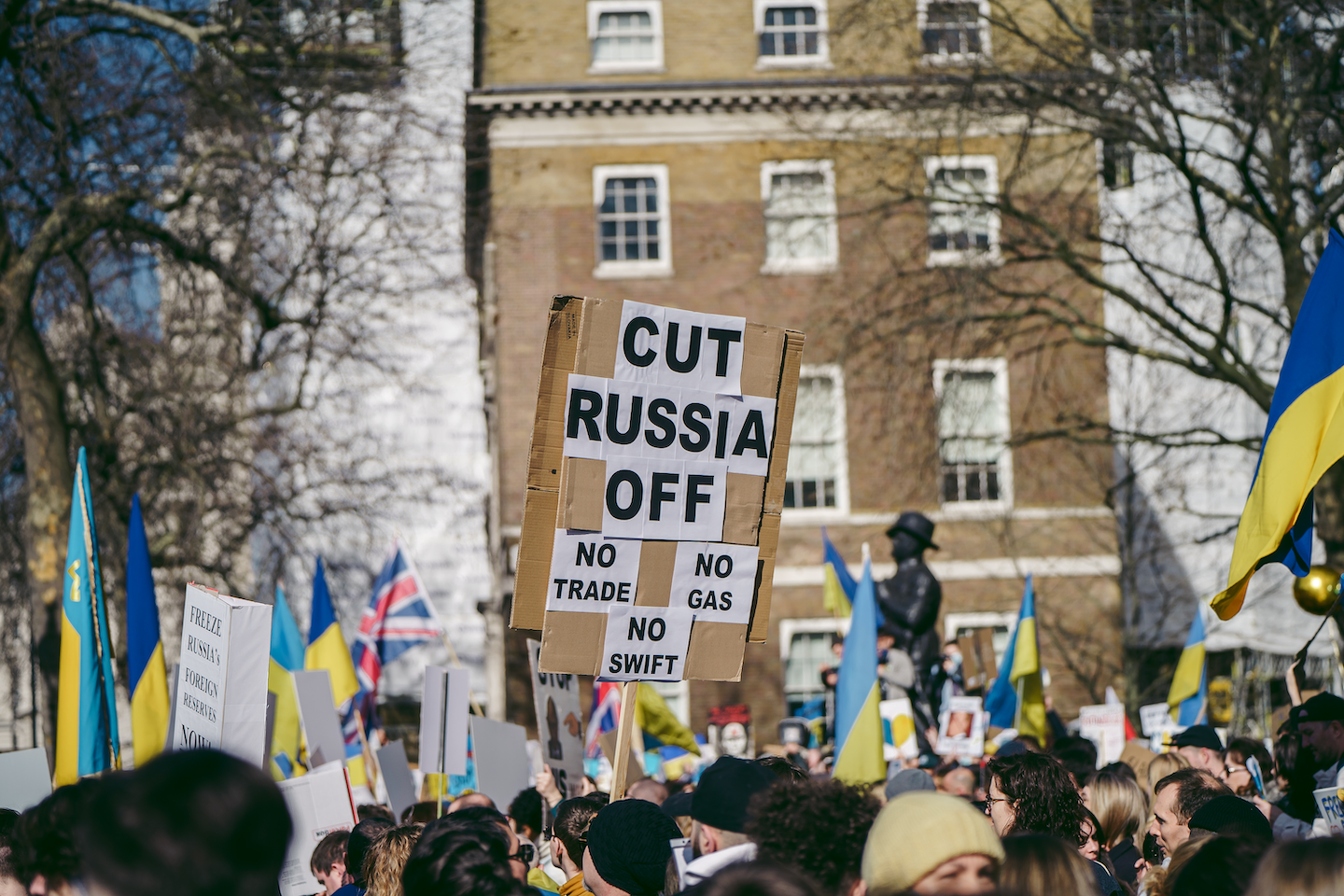
Economic sanctions have become a tool of first response to address foreign policy and national security goals. How effective are they?
February 9, 2022
A look at how trade benefits society — consumers, companies, and workers — but creates winners and losers, too.
September 24, 2021
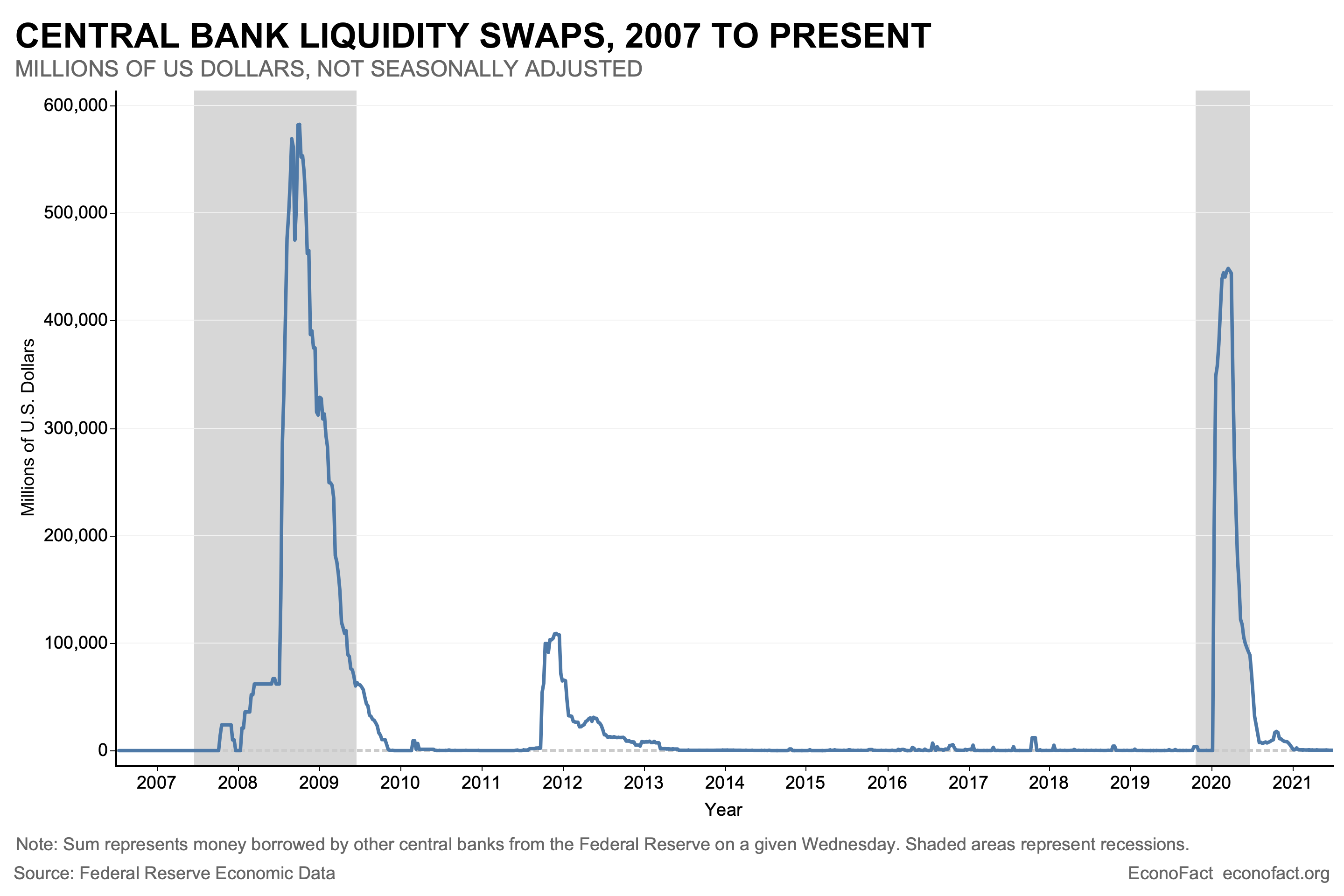
Countries benefit from increasing international trade and financial flows. But interconnectedness can make them vulnerable to economic shocks originating abroad.

June 9, 2021
The market for shipping services can influence trade flows, the products that countries sell, and how price shocks reverberate through trade.

February 6, 2020
The 2018 tariffs raised domestic steel prices, putting downstream U.S. manufacturing firms at a disadvantage relative to foreign competition.
January 28, 2020
There is room for some reasonable amendments to the WTO’s dispute settlement and to rules relating to developing countries. Net benefits are unclear.
January 15, 2020
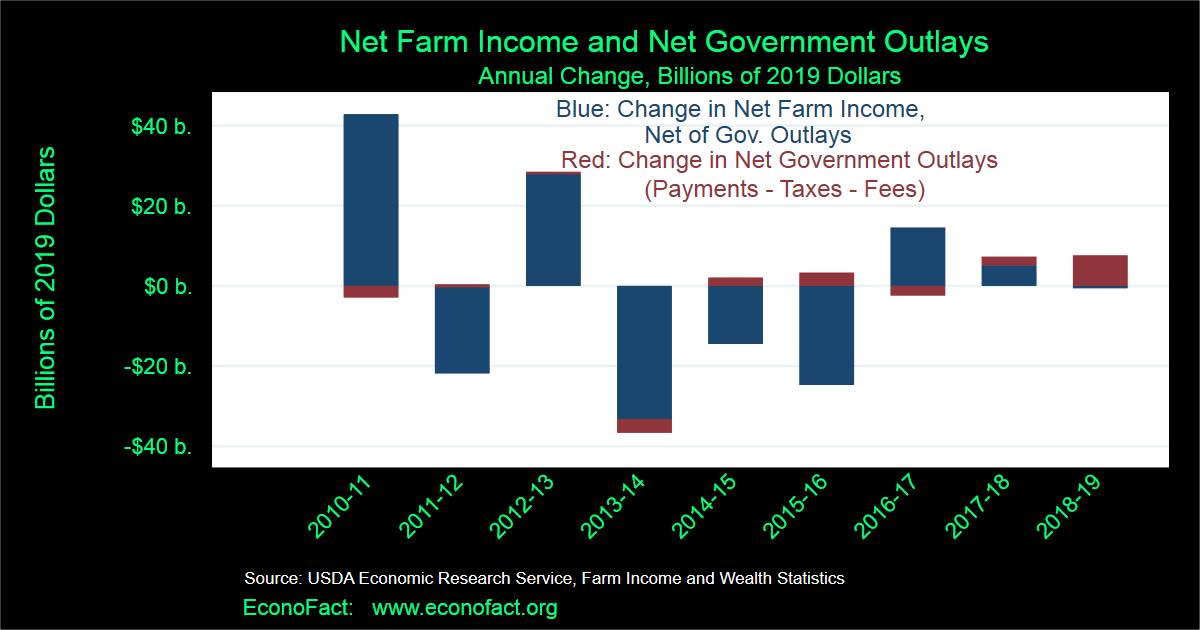
U.S. agricultural exports to China fell from 2017 to 2018 and remained depressed in 2019. The government provided unprecedented levels of support to farmers.
November 24, 2019
Michael Klein (Tufts) and Marc Melitz (Harvard) discuss the employment costs of tariffs and the broader disruption they can cause for integrated supply chains.
October 29, 2019
Firms that export tend to be more productive, and often pay higher wages. Given these characteristics, should helping more firms export be a goal for policy?