The Costs of Continuing Coal-Fired Power in the United States
July 22, 2026
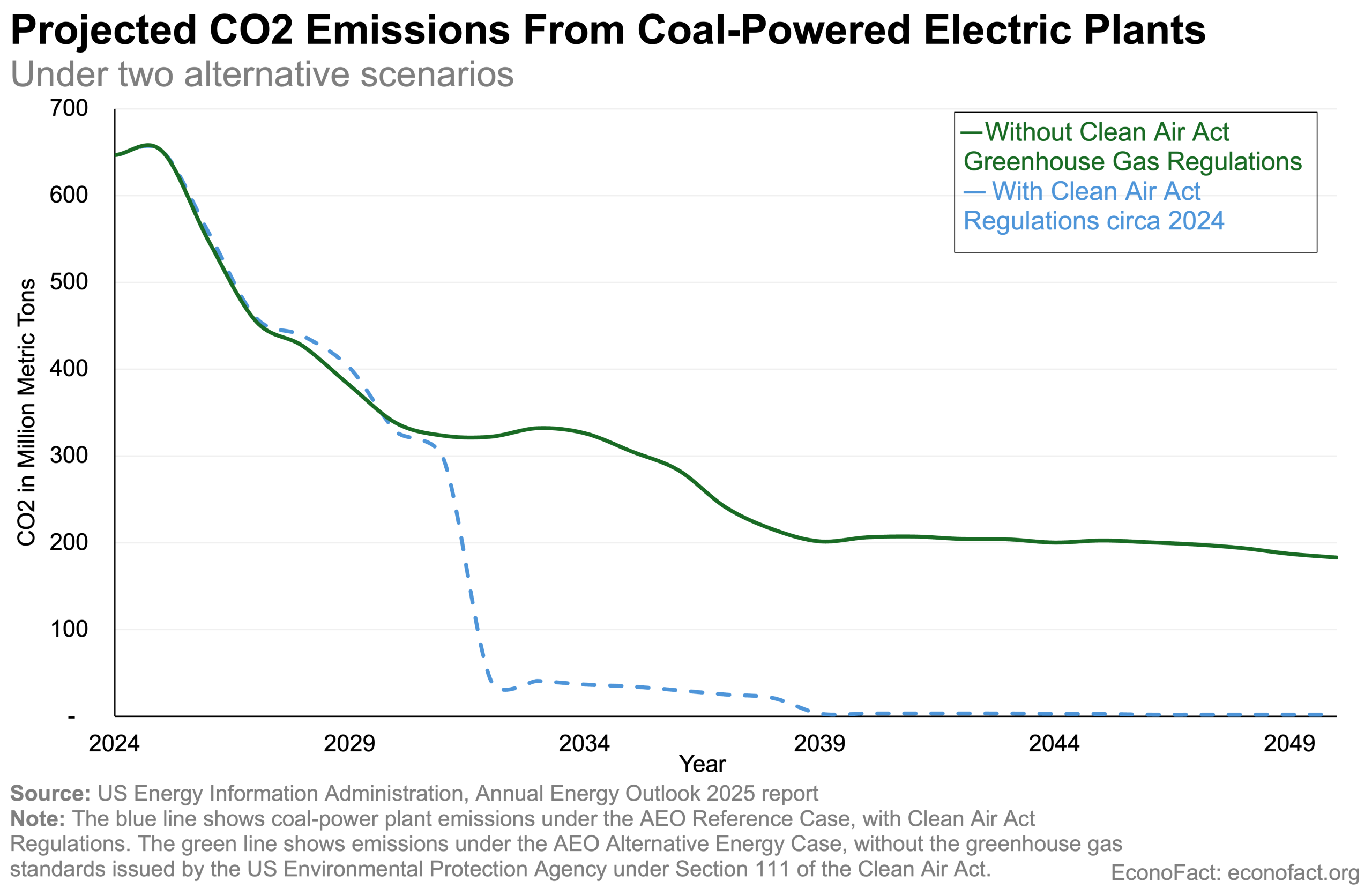
Expected increases in electricity demand, as well as policies to support coal-fired electricity generation, are slowing or arresting the pace of coal’s decline.

The environmental impact of human activity does not often not factor into the prices of goods and services we buy. But it can impose measurable costs. Our articles explore the economic rationale for government intervention in environmental policy; the costs and benefits of environmental regulation; energy policy; the financial and economic issues raised by climate-related disasters; and equity issues related to the environment.
July 22, 2026
Expected increases in electricity demand, as well as policies to support coal-fired electricity generation, are slowing or arresting the pace of coal’s decline.
June 2, 2026
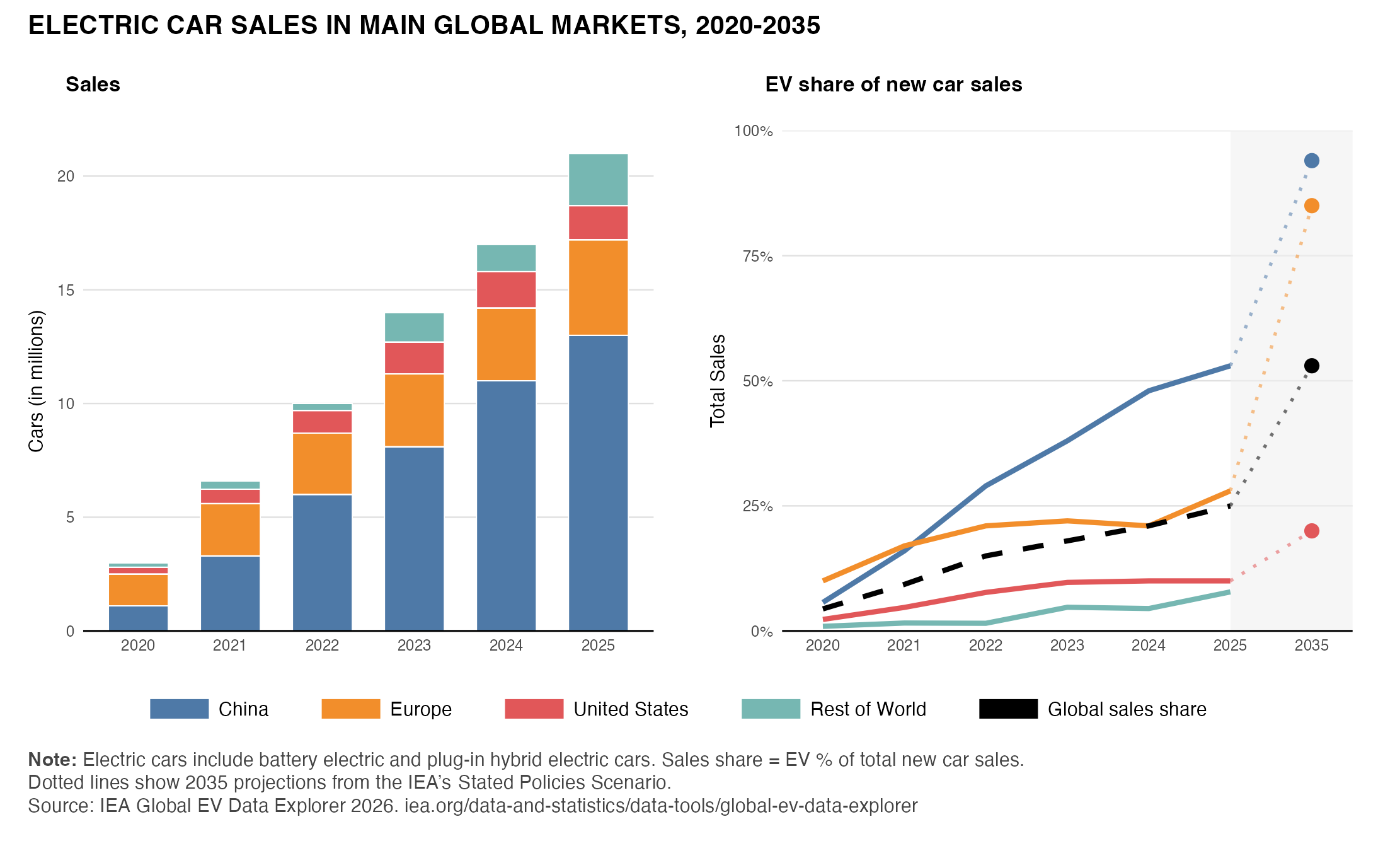
While sales of new EVs surged globally in 2025 to over 20 million vehicles, they were flat in the U.S. at 1.5 million vehicles–about 10% of new car sales.
January 28, 2025
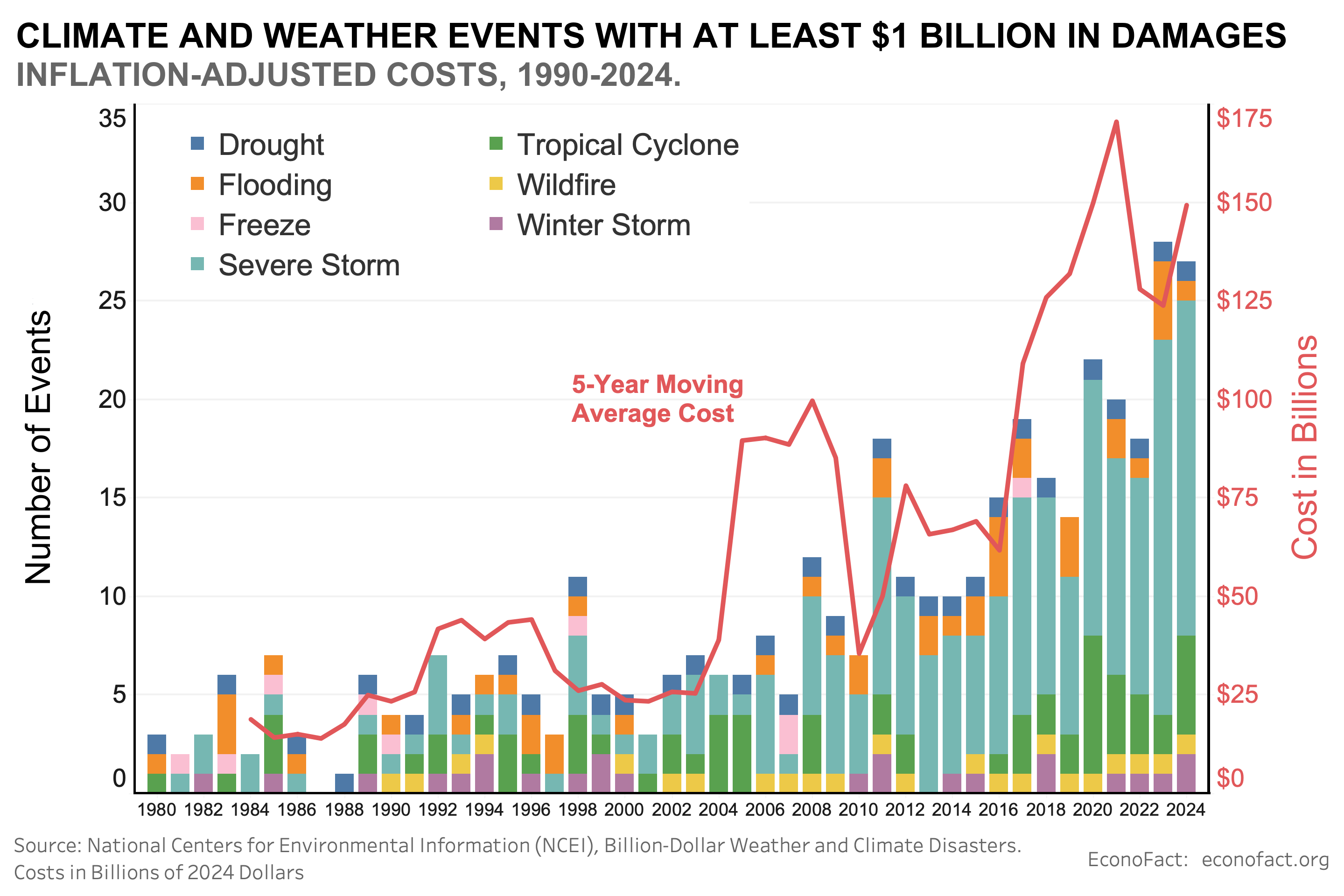
More frequent climate disasters, population migration to locations with higher climate risk, and inflation, are raising the pressure on insurance companies.
October 28, 2024
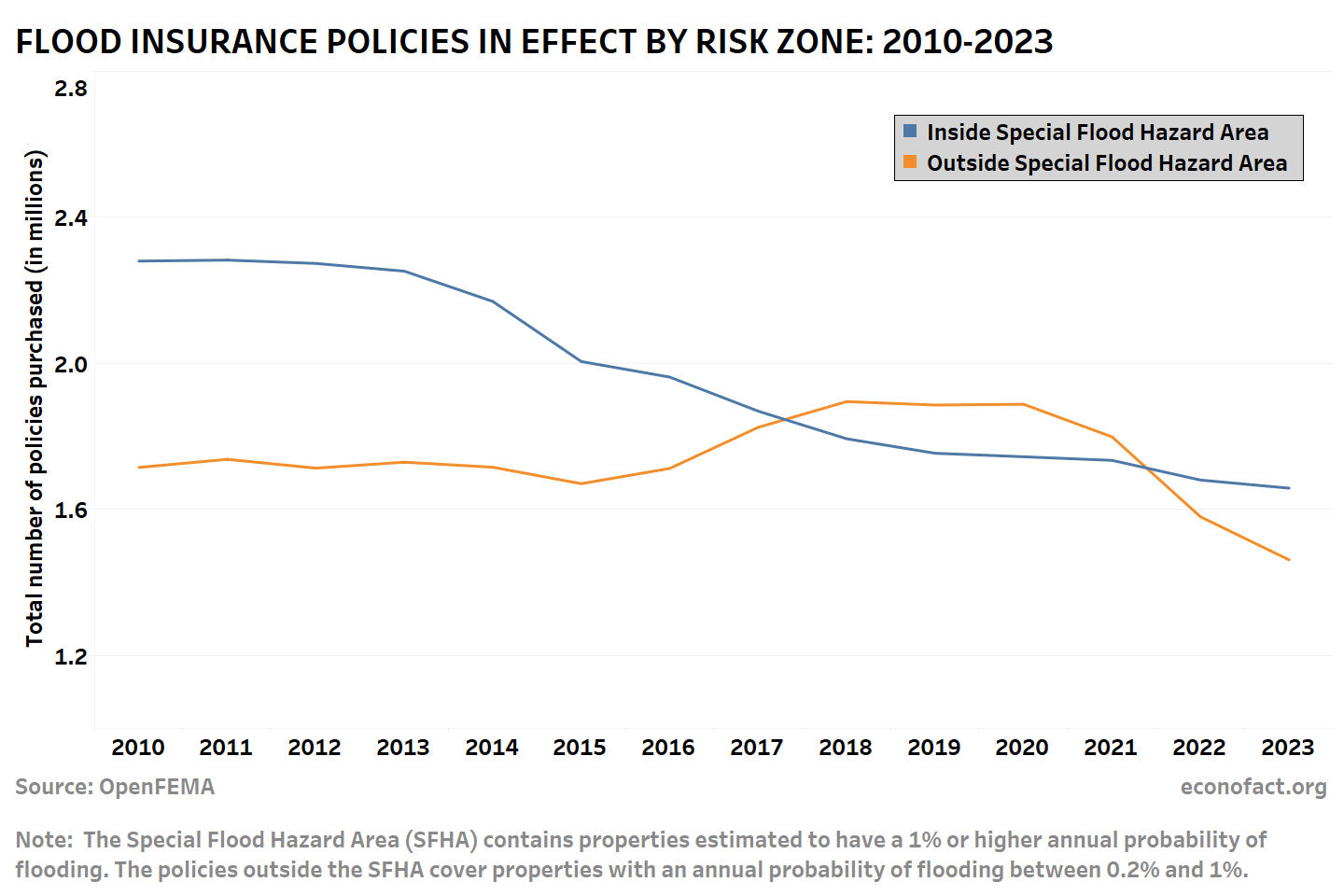
The US’s main source of flood insurance has undergone the biggest reform since it inception. Will it help reduce Americans’ financial exposure to flooding?
July 8, 2024
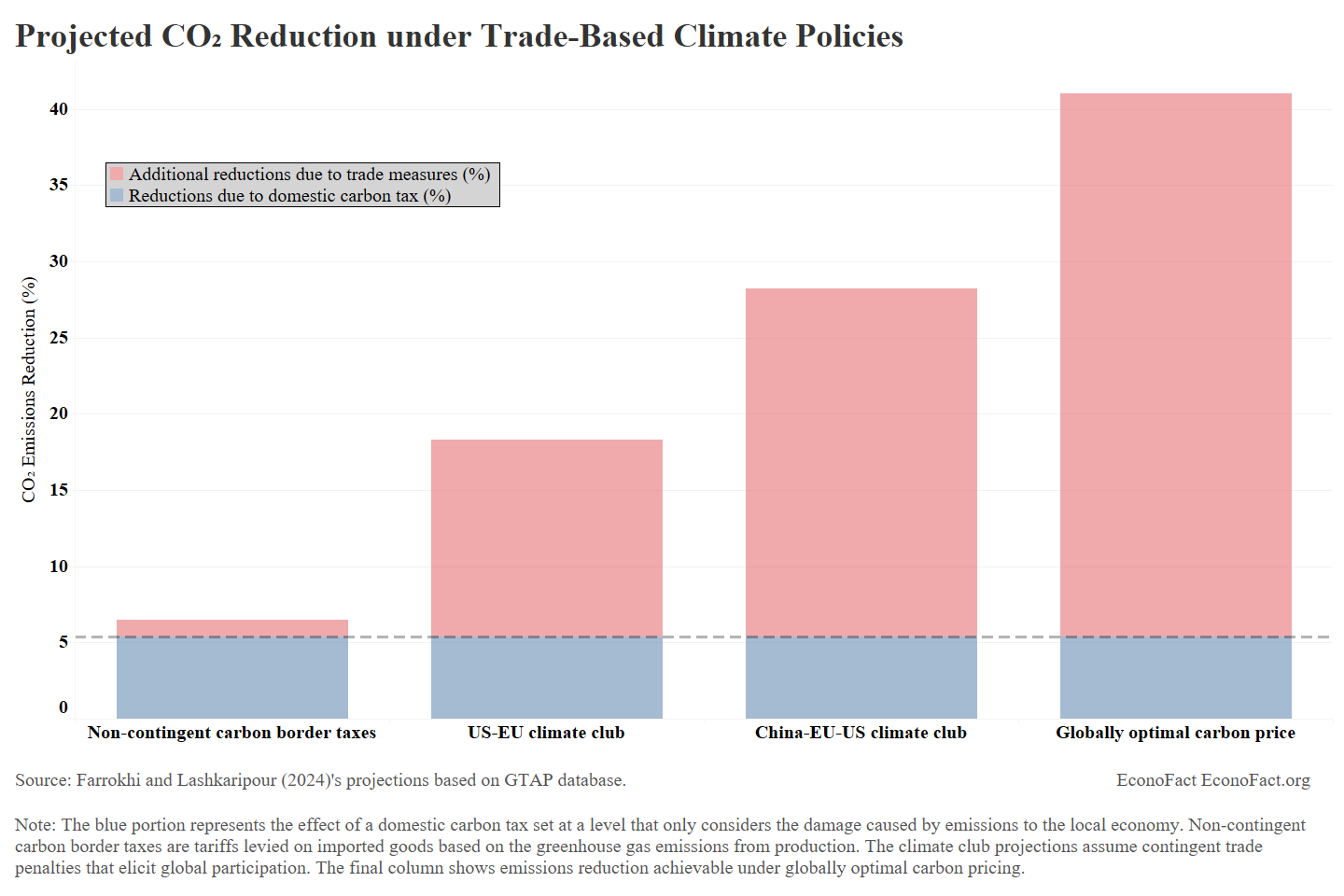
Trade policy could help reduce global carbon emissions significantly. But simply adding carbon border taxes to the existing tariff system is not very effective.
November 30, 2023
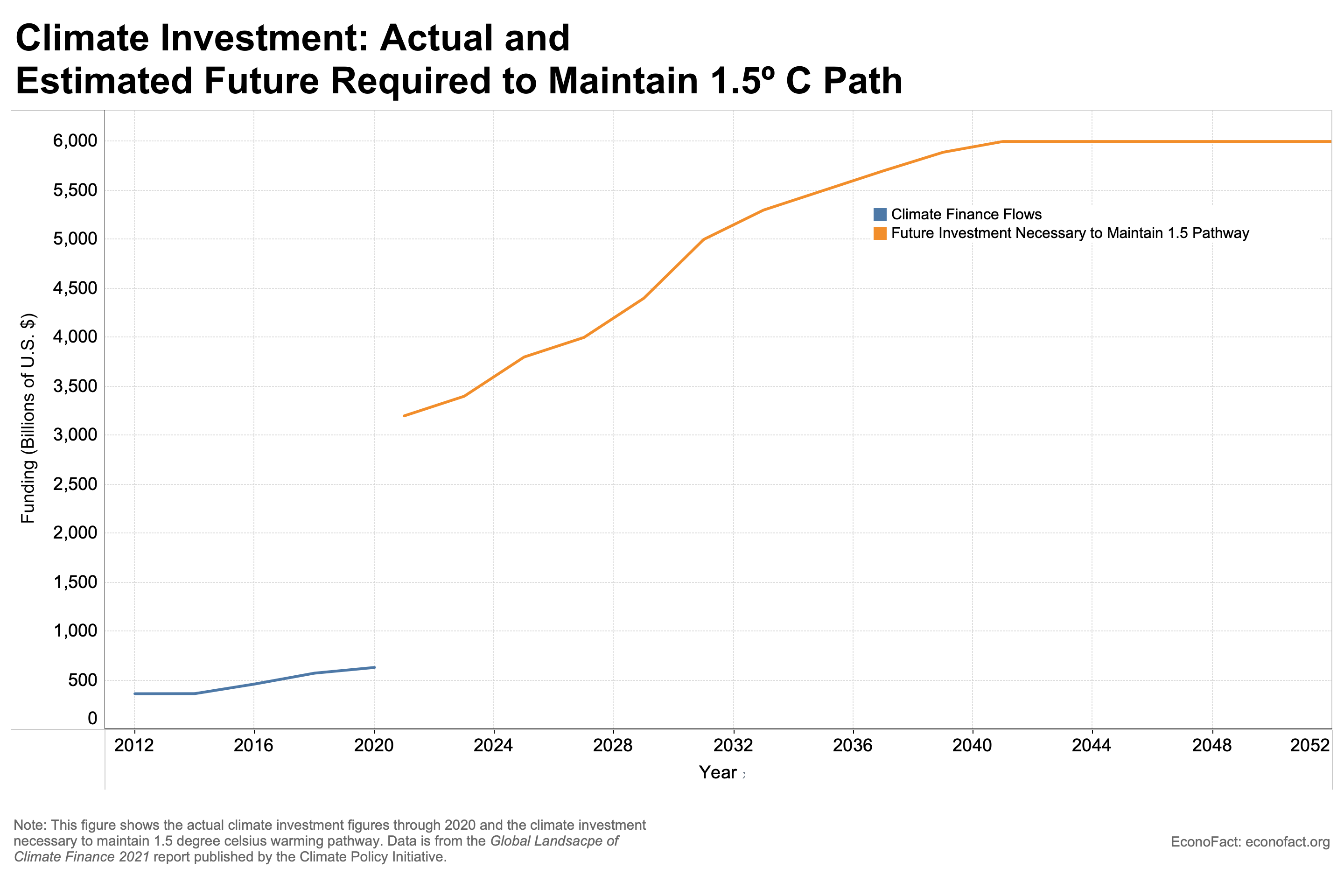
Increasing the participation of private funds in climate finance is necessary to meet climate goals. But there are barriers that need to be overcome.
September 12, 2023
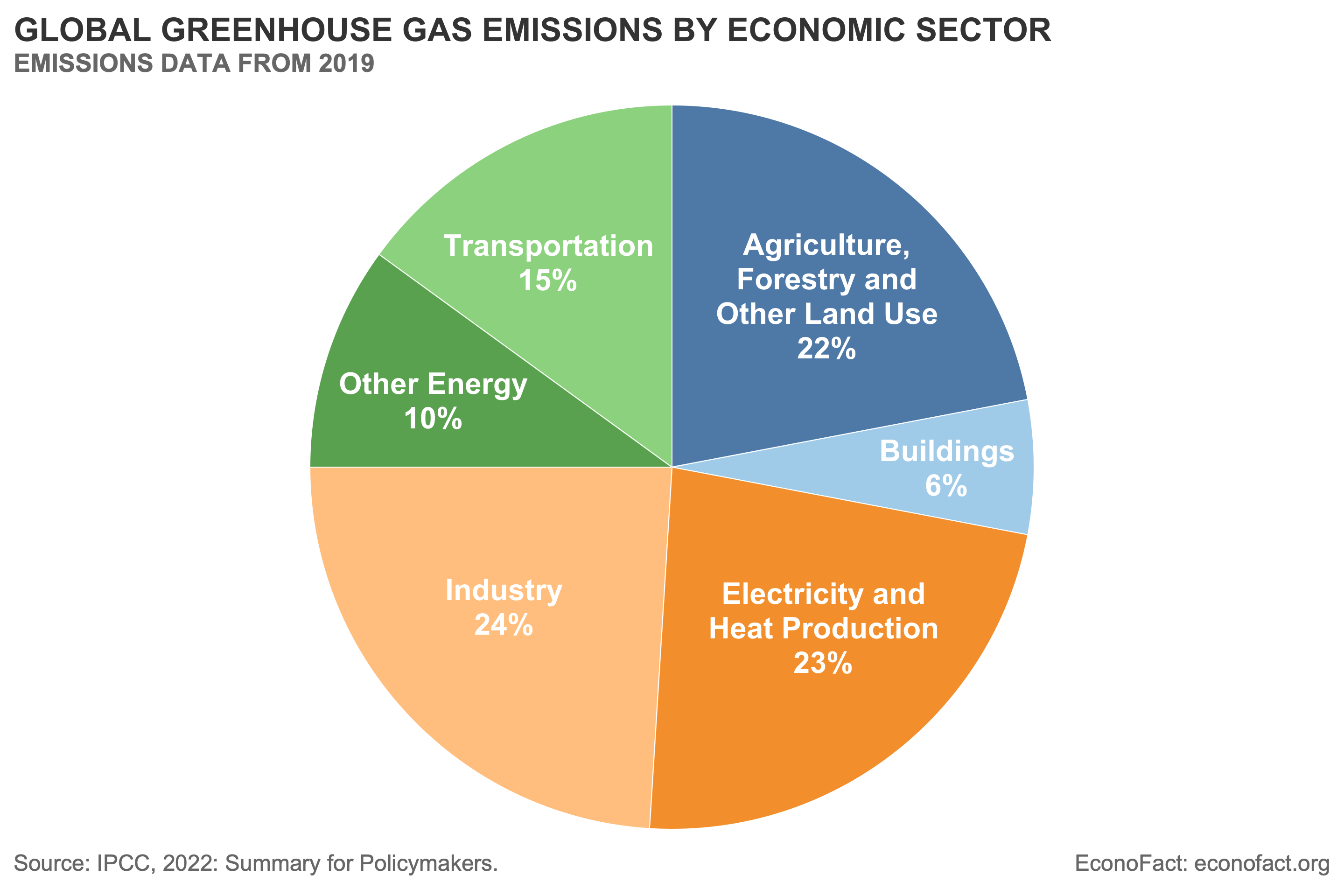
Emissions from agriculture have been heading in the wrong direction. Focussing on this sector has the potential of yielding high returns in the near future.
March 8, 2023
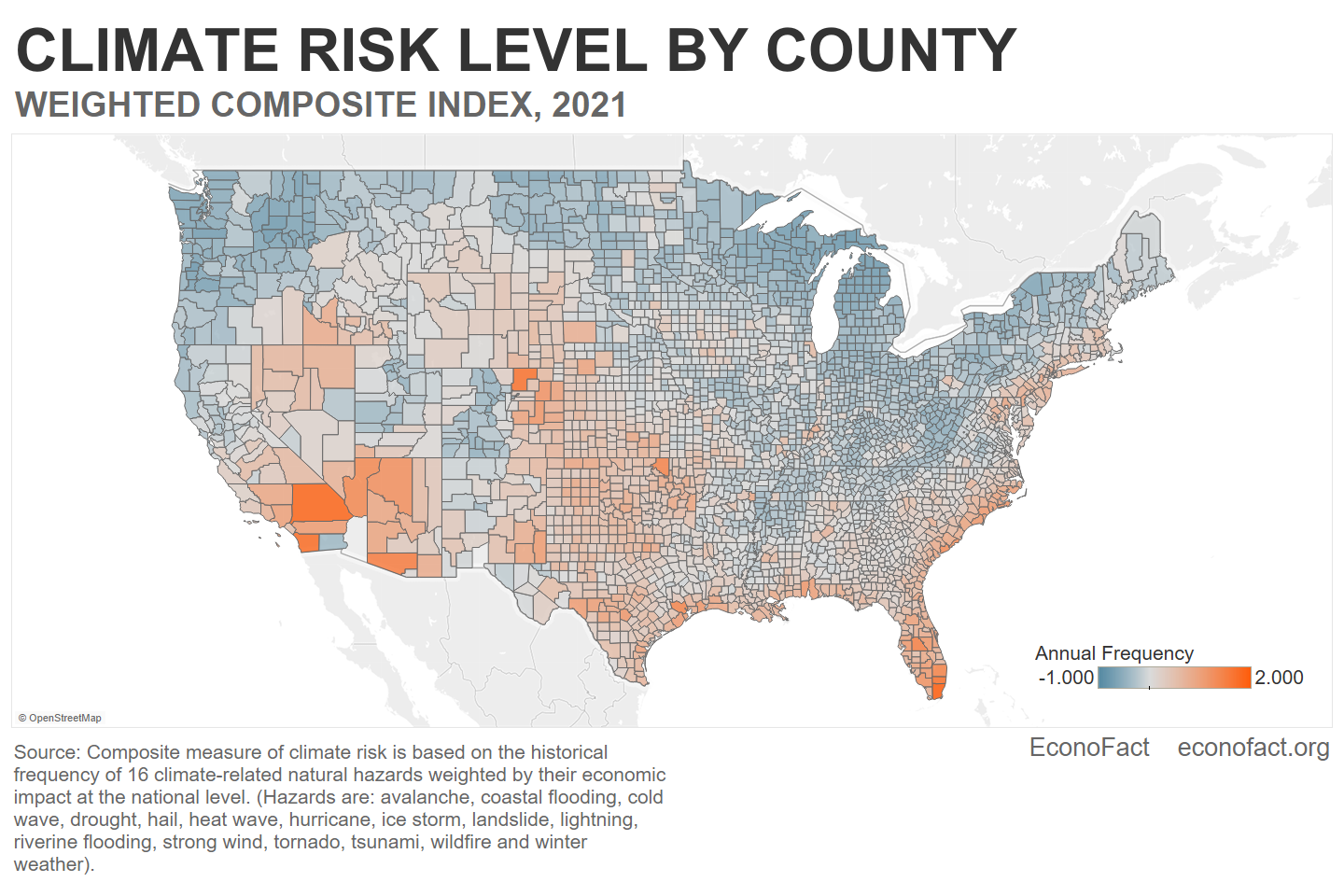
The increasing agglomeration of people and economic activity in high-risk areas of the U.S. plays a role in the rising cost of climate-related disasters.
July 22, 2022
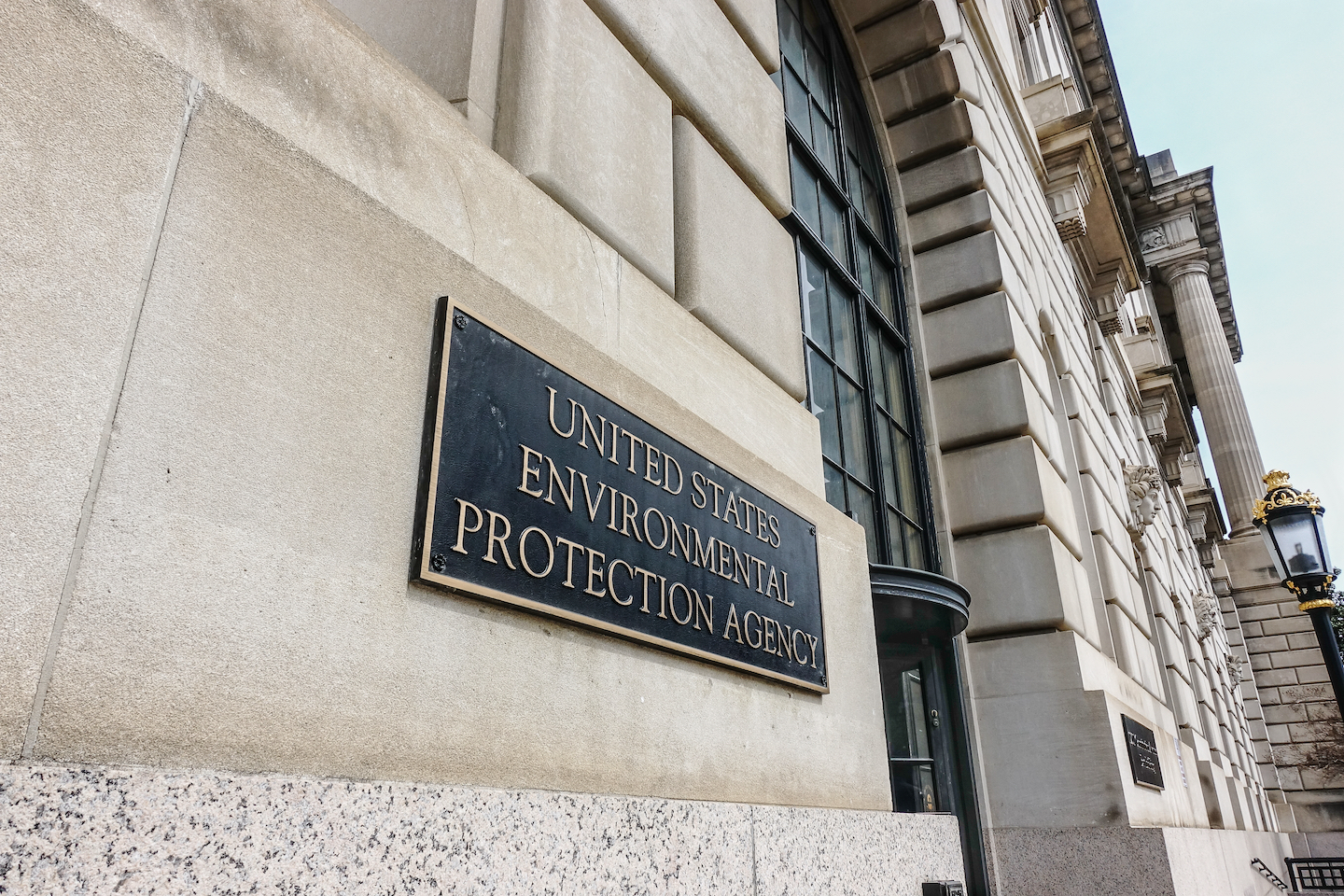
While regulations can impose costs on companies and can be excessive, there are also circumstances under which regulations provide broader societal benefits.