The Potential for State Policies to Improve Child Food Insecurity
December 12, 2025
State minimum wage and refundable state earned income tax credit (EITC) policies can reduce food insecurity among economically at-risk households with children.


December 12, 2025
State minimum wage and refundable state earned income tax credit (EITC) policies can reduce food insecurity among economically at-risk households with children.
November 24, 2025
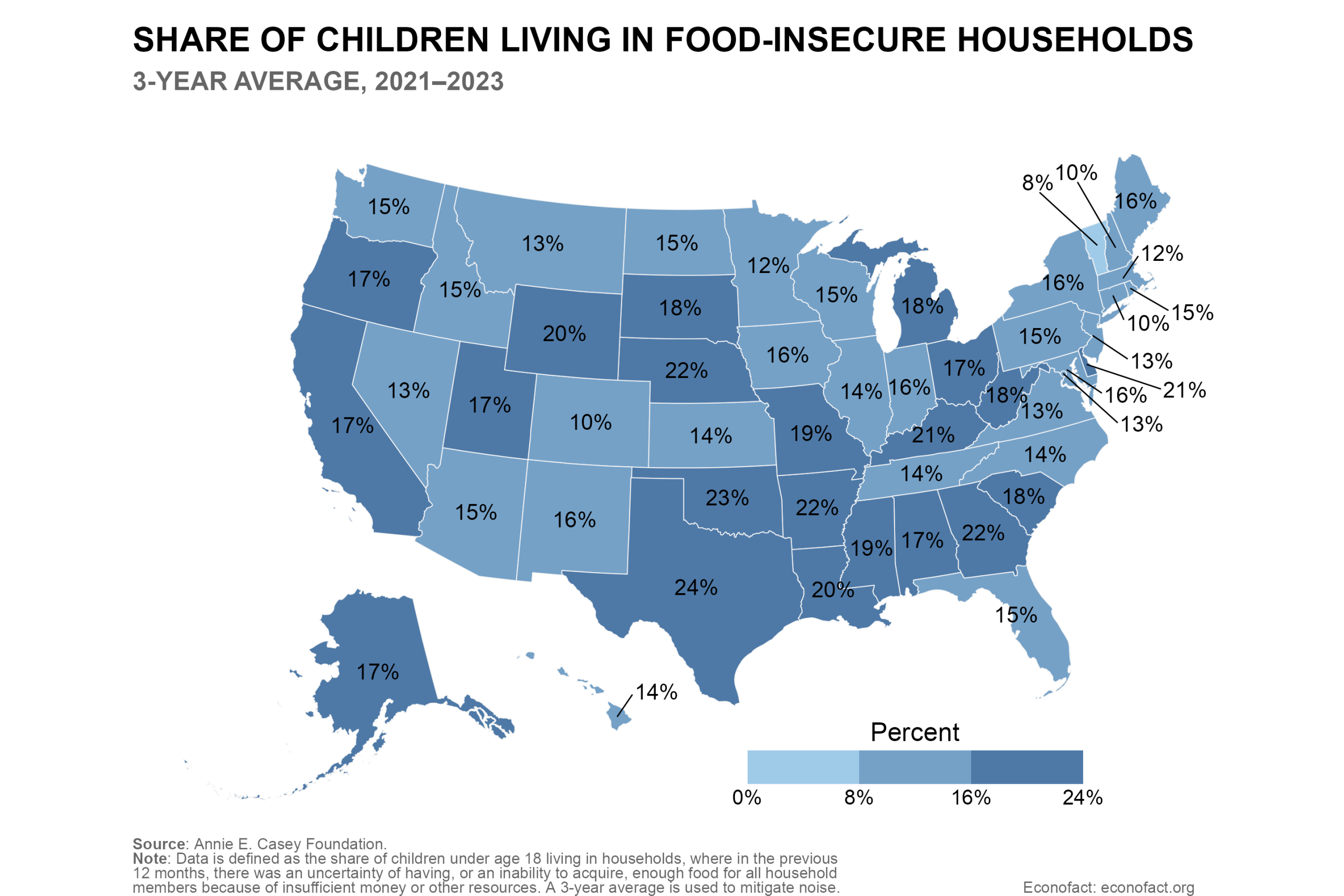
In 2023, almost 1 in 6 children in the U.S. lived in households that at times were uncertain of having—or unable to acquire—enough food for all their members.
October 13, 2025
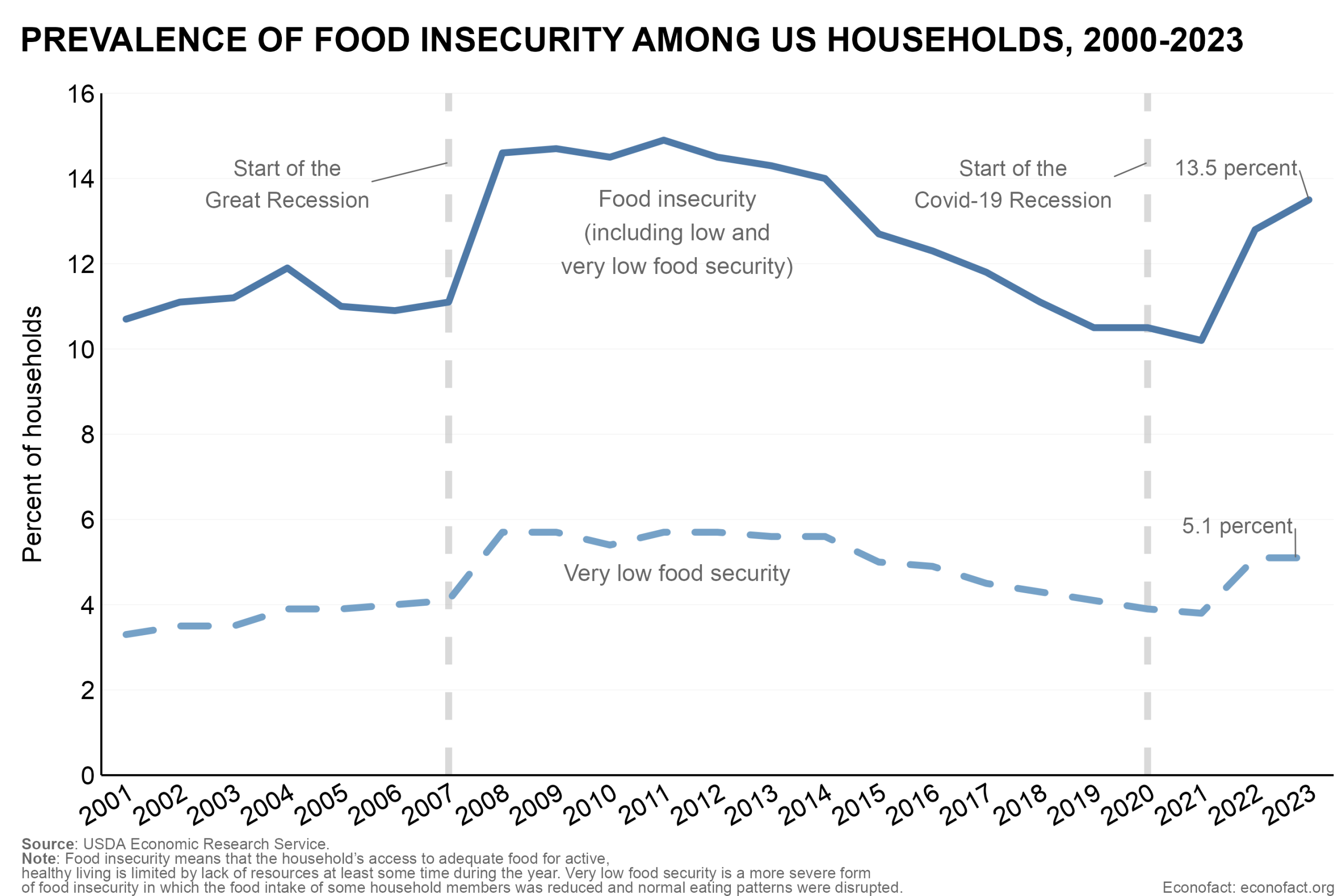
Food insecurity captures a different dimension of economic well-being that is not fully reflected in measures of poverty, unemployment or other related statistics.
December 15, 2022
In this EconoFact Explains video, we look at the factors driving the increase in worldwide hunger, and highlight research on economic policies that can help address this scourge.
October 13, 2022
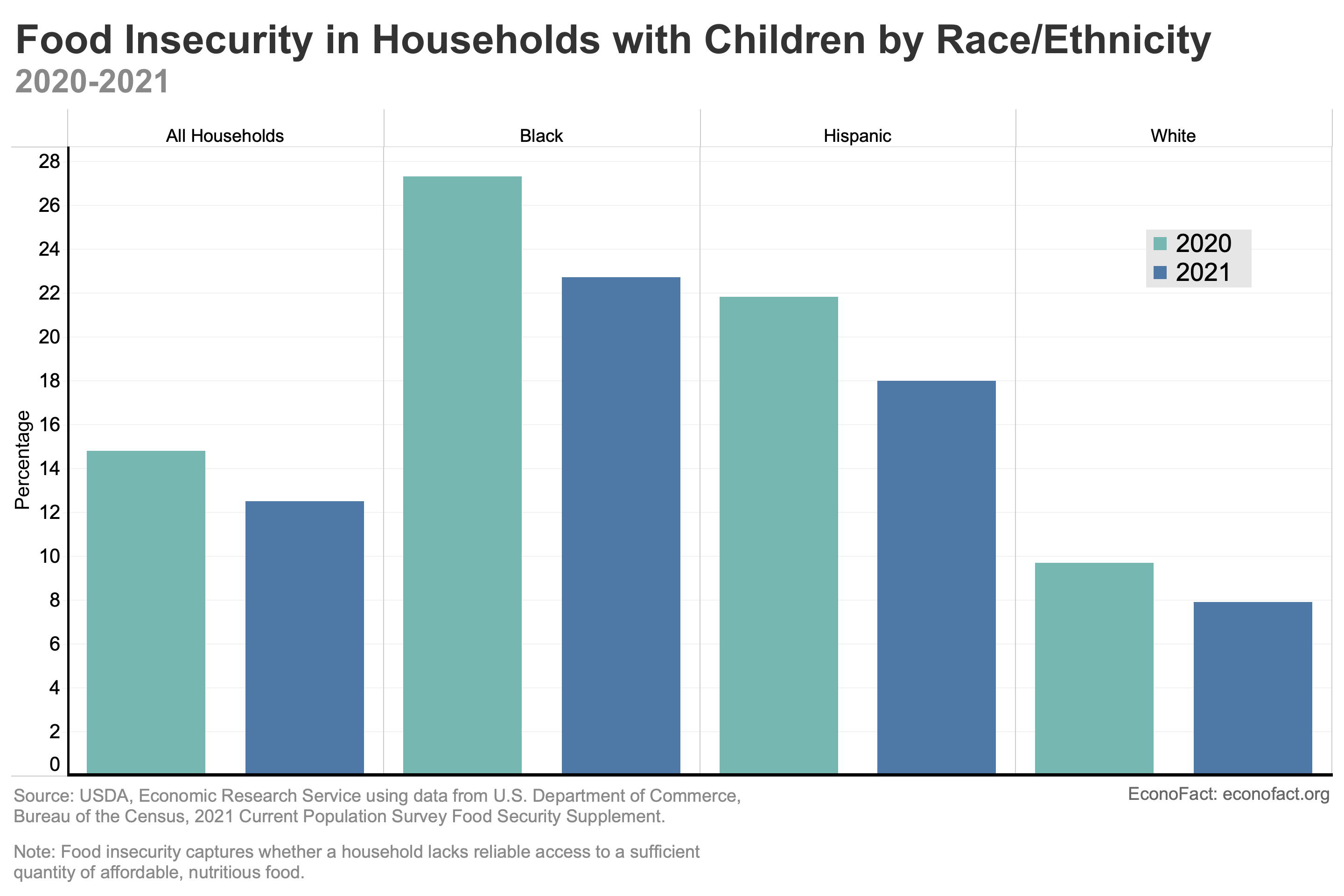
Food insecurity for households with children fell during COVID. But there are signs of reversal with pandemic aid ending and the highest inflation in decades.
November 25, 2020
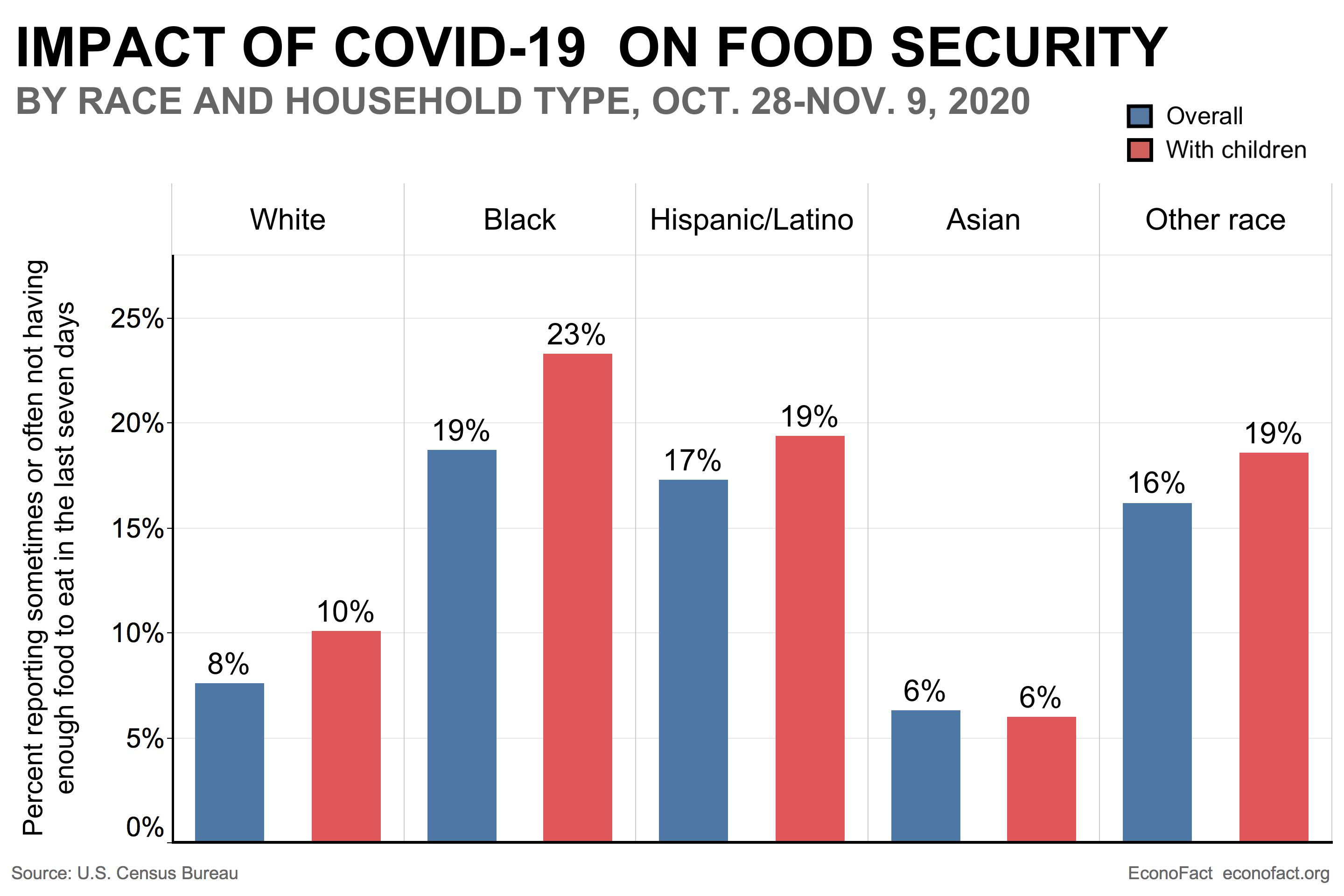
Available real-time data indicate that there is tremendous unmet need and that households with children report the highest rates of not having enough to eat.
August 1, 2019
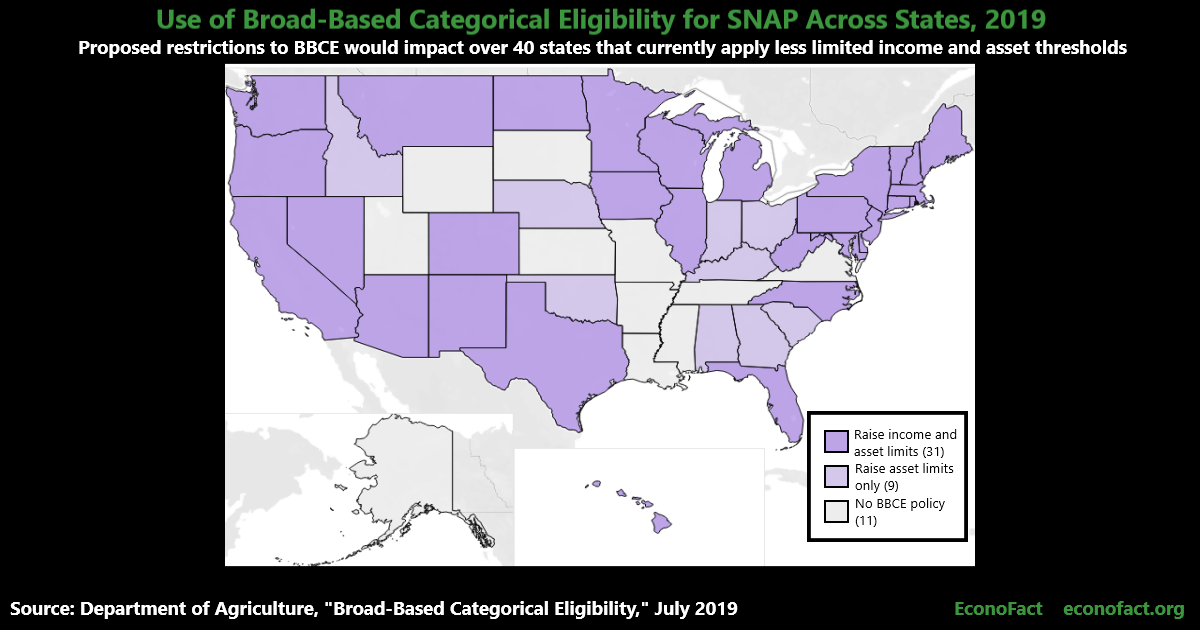
New rules for the Supplemental Nutrition Assistance Program would end eligibility for over 3 million people who qualify under Broad-Based Categorical Eligibility
January 23, 2019
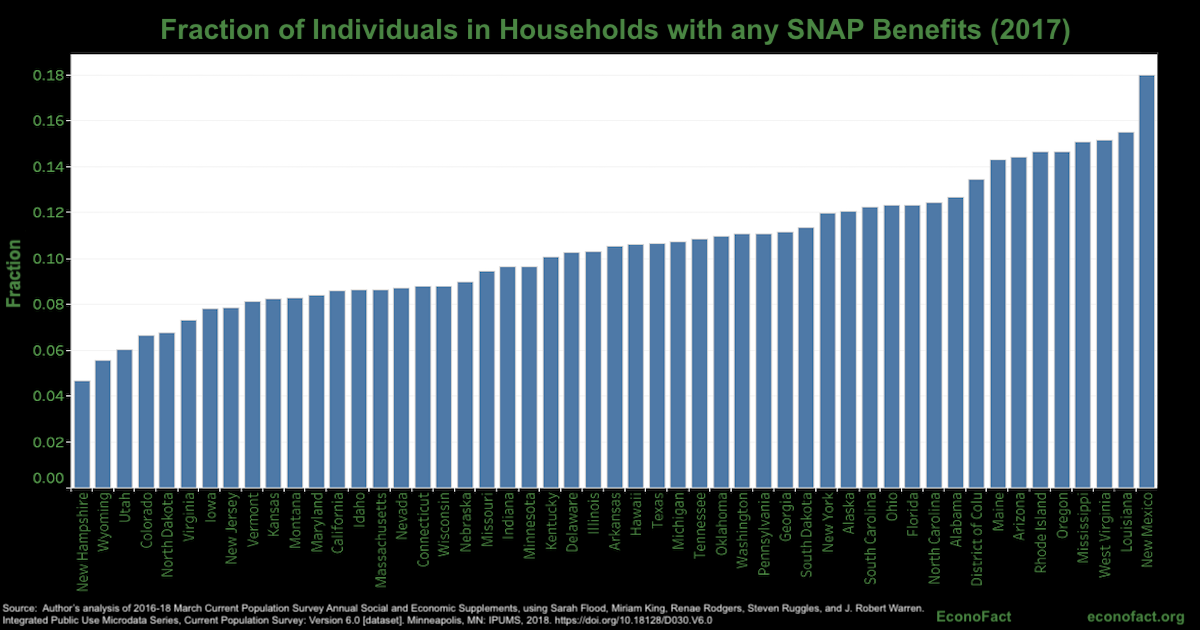
If the shutdown delays March SNAP benefits, millions of households would be directly impacted, including one-sixth of U.S. children.
May 26, 2017
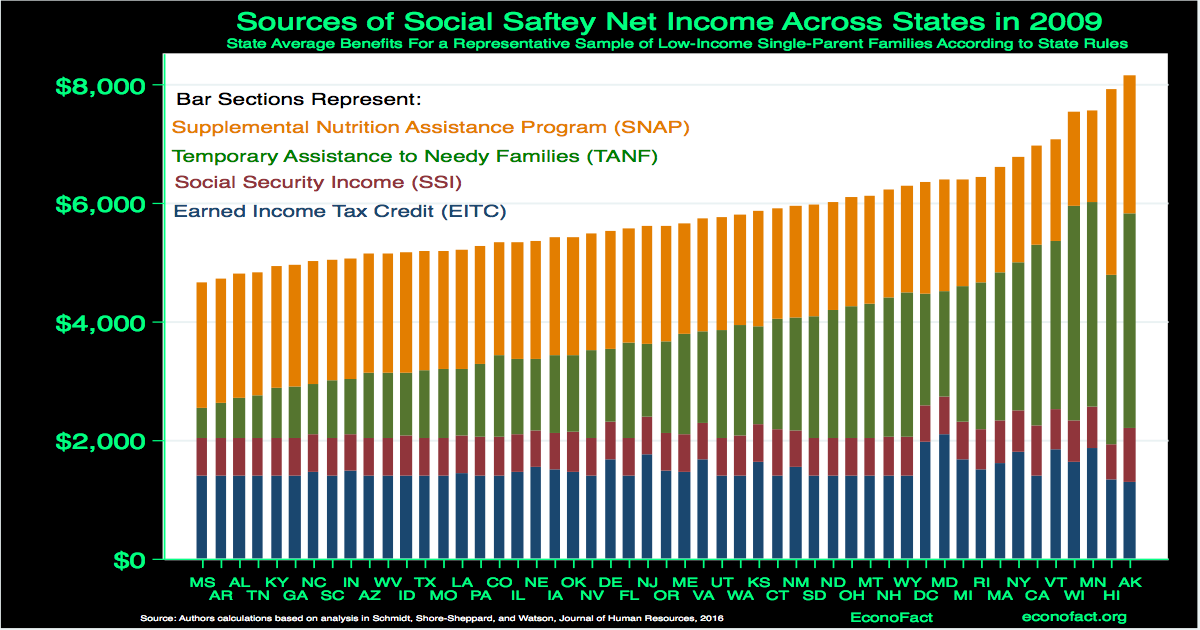
The Trump Administration's 2018 budget proposes large cuts to the social safety net. Will this increase the number of U.S. households that are food insecure?