Why Did the Fed Change Its Framework? And Why Does It Matter?
December 15, 2020
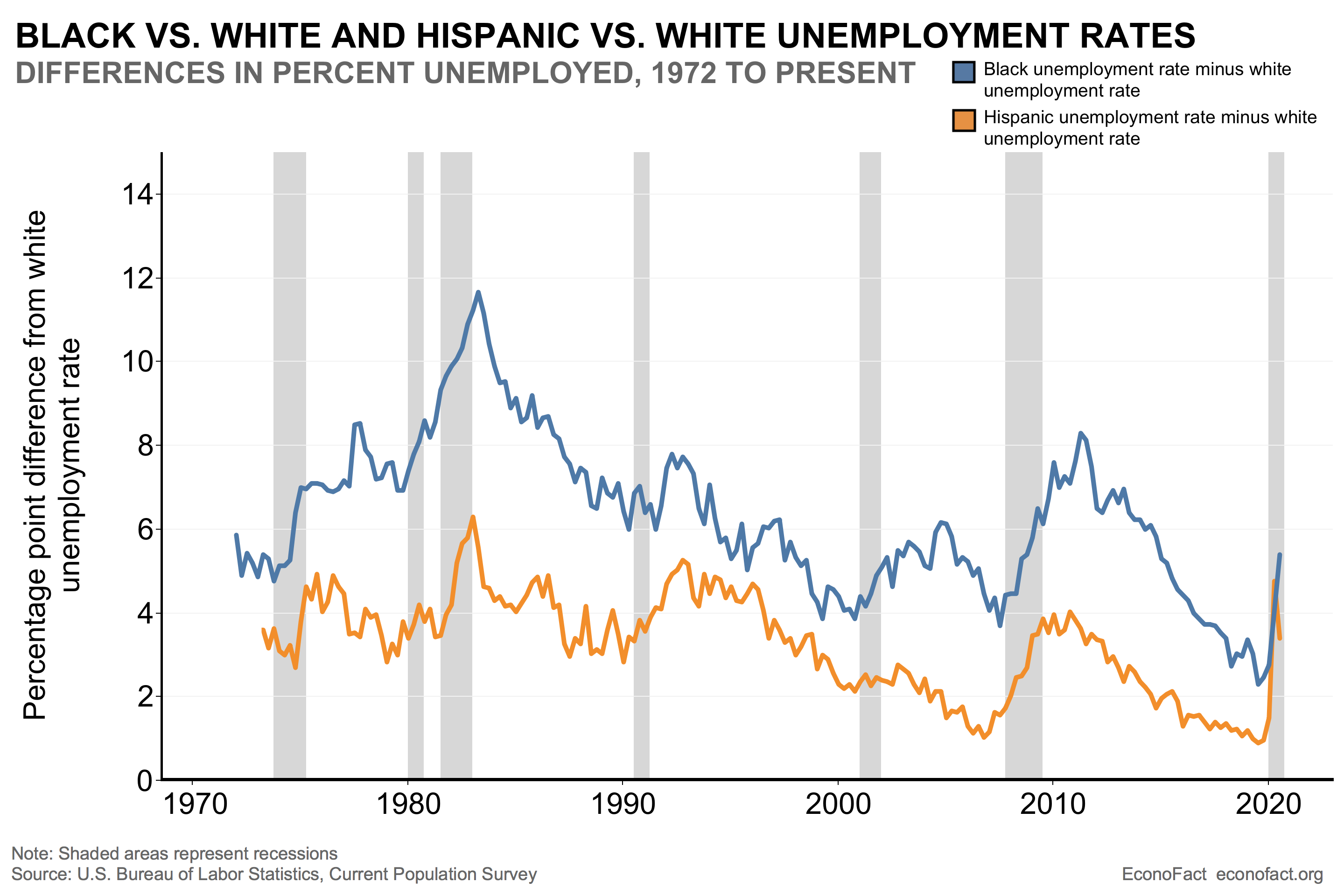
The Fed’s new framework for inflation and employment imply letting the economy run "hot" in ways that could benefit low-income and minority communities.

Inflation, the rate of change of prices, is very unpopular because it erodes purchasing power. Our posts explore the different causes of inflation and its economic costs; the difficulties associated with measuring inflation over time; the policy tools available to combat high inflation and their limitations; and insights into how inflation differs across sectors of the economy.
December 15, 2020
The Fed’s new framework for inflation and employment imply letting the economy run "hot" in ways that could benefit low-income and minority communities.
December 18, 2019
Michael Klein, Executive Editor of EconoFact and Dan Sichel (Wellesley) highlight some of the problems with low inflation.
October 8, 2019
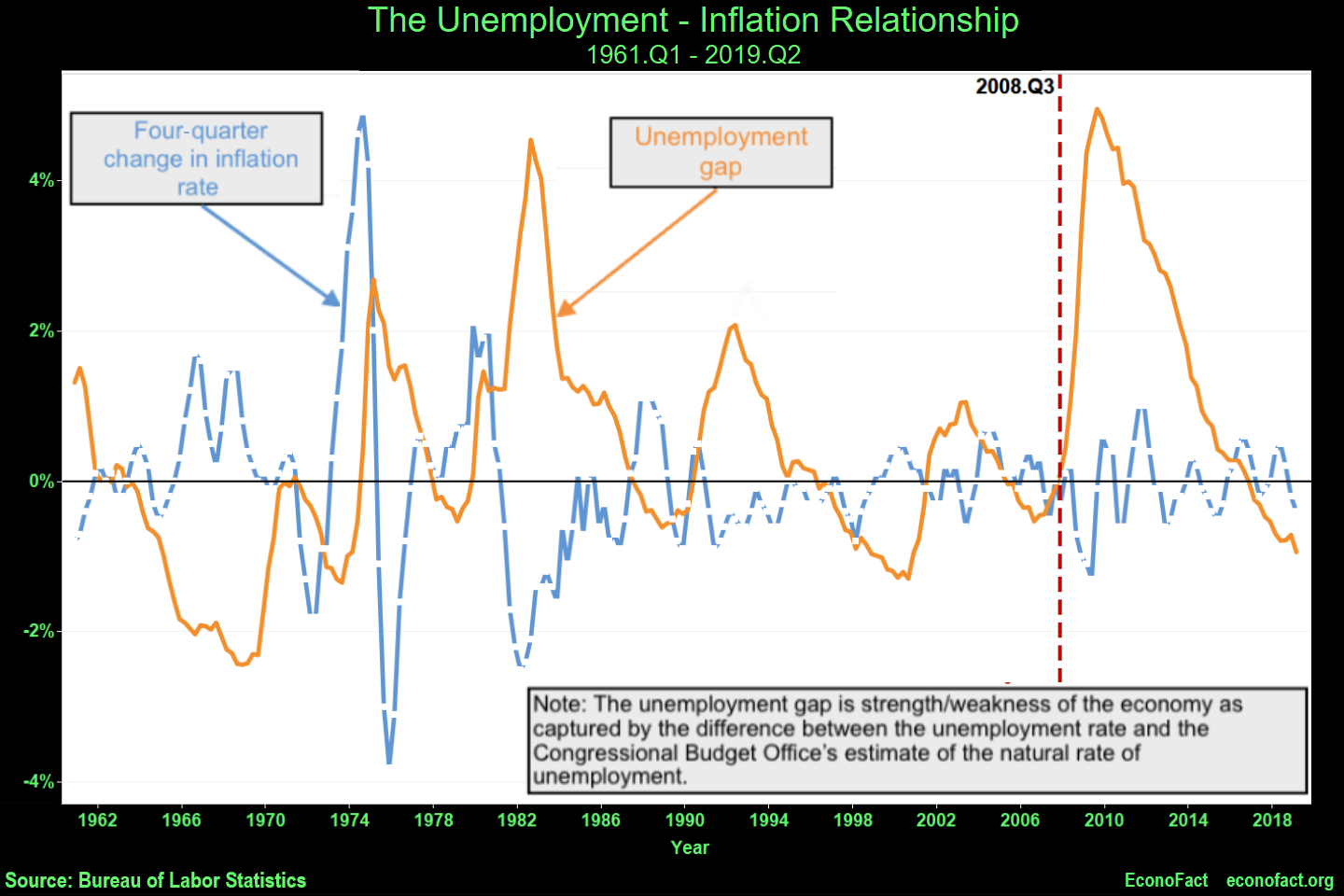
Inflation has averaged just over 1-1/2 percent over the past decade. With unemployment at historic lows, continued soft inflation poses a puzzle and a challenge.
August 13, 2018
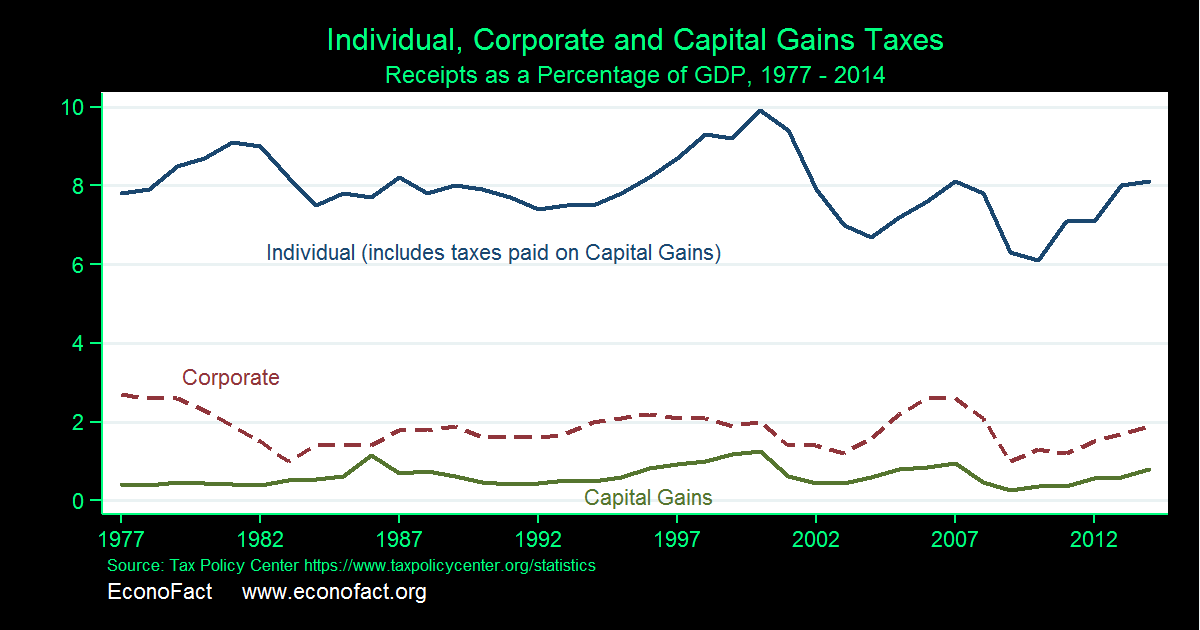
Accounting for inflation would tax the increase in the real purchasing power of an asset rather than the increase in value that reflects overall rising prices.
August 6, 2017
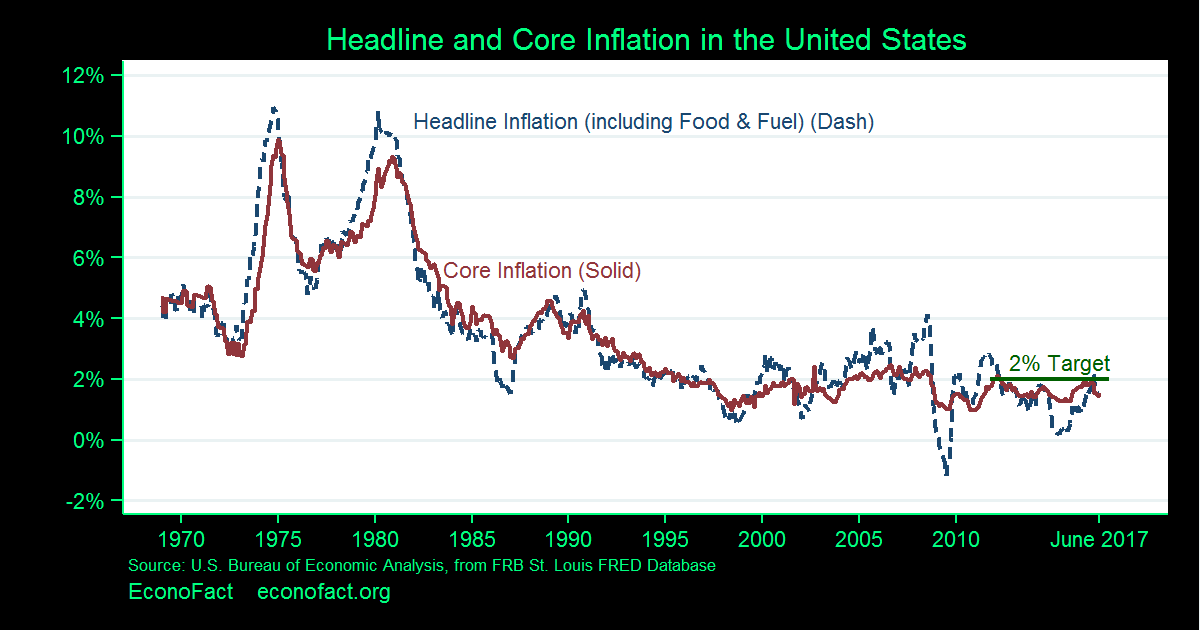
The Federal Reserve Bank has persistently undershot its inflation target of 2 percent. This level of low inflation is puzzling, given the low unemployment.