The Child Tax Credit’s Potential to Reduce Child Poverty
March 16, 2026
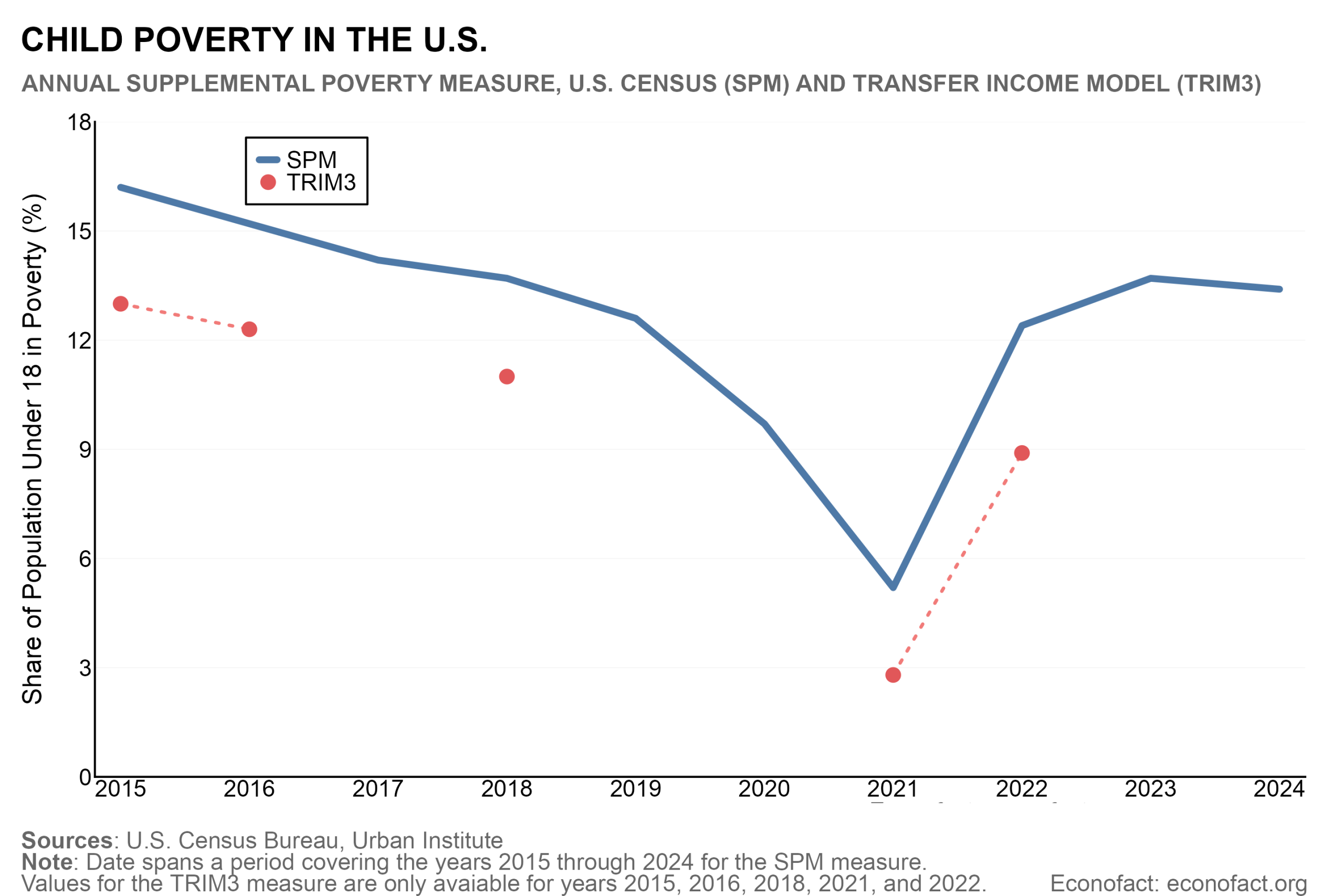
What role did federal tax credits play in the precipitous drop in child poverty in 2021? And what lessons can be drawn for reducing child poverty in the U.S.?

March 16, 2026
What role did federal tax credits play in the precipitous drop in child poverty in 2021? And what lessons can be drawn for reducing child poverty in the U.S.?

December 12, 2025
State minimum wage and refundable state earned income tax credit (EITC) policies can reduce food insecurity among economically at-risk households with children.

April 30, 2025
Do work requirements increase work? Do they take benefits away from the neediest households? Evidence of the impact of SNAP work requirements on families.
February 21, 2024
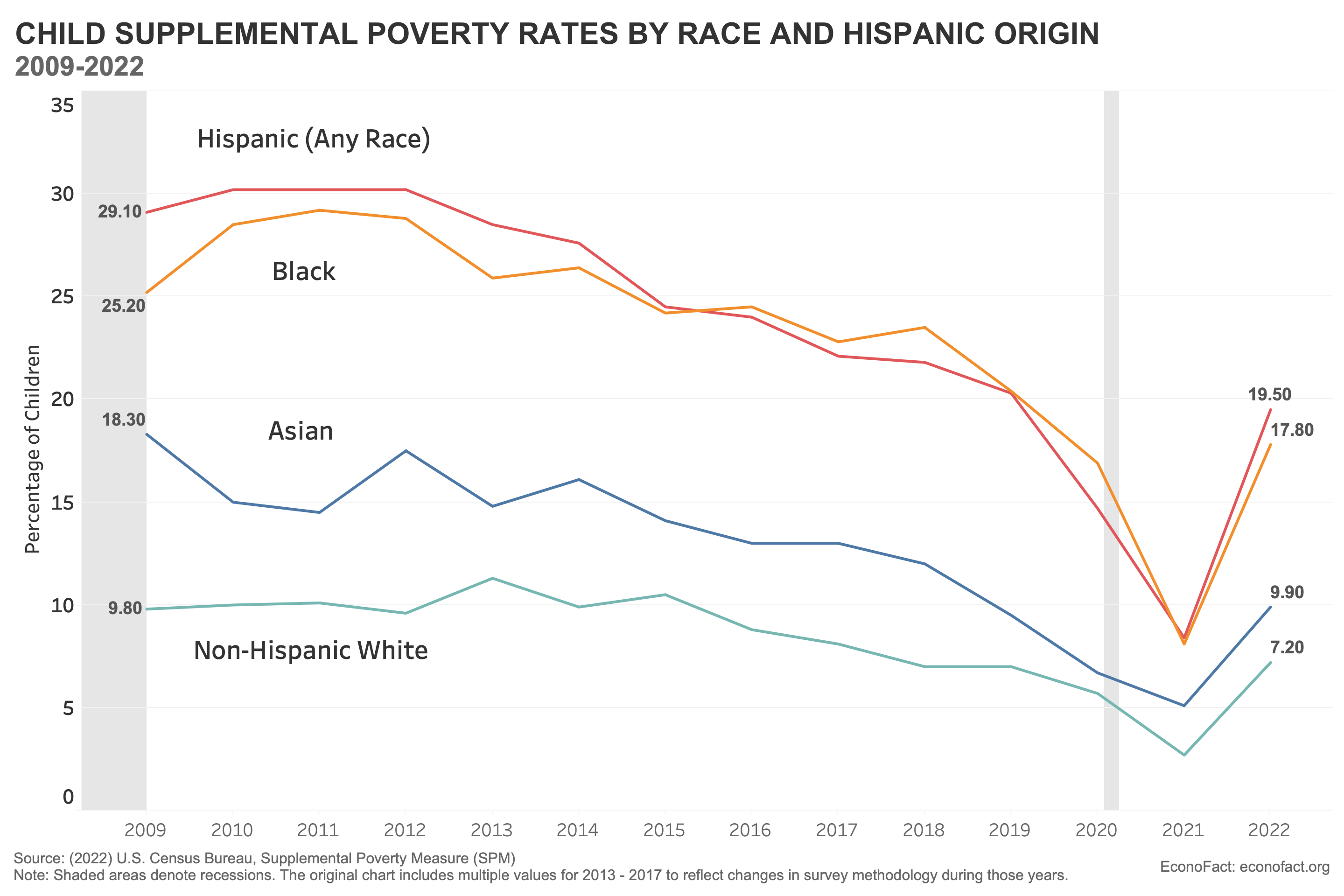
Although their family characteristics are associated with lower rates of poverty in other groups, Hispanic children makeup 41% of U.S. children in poverty.
October 13, 2022
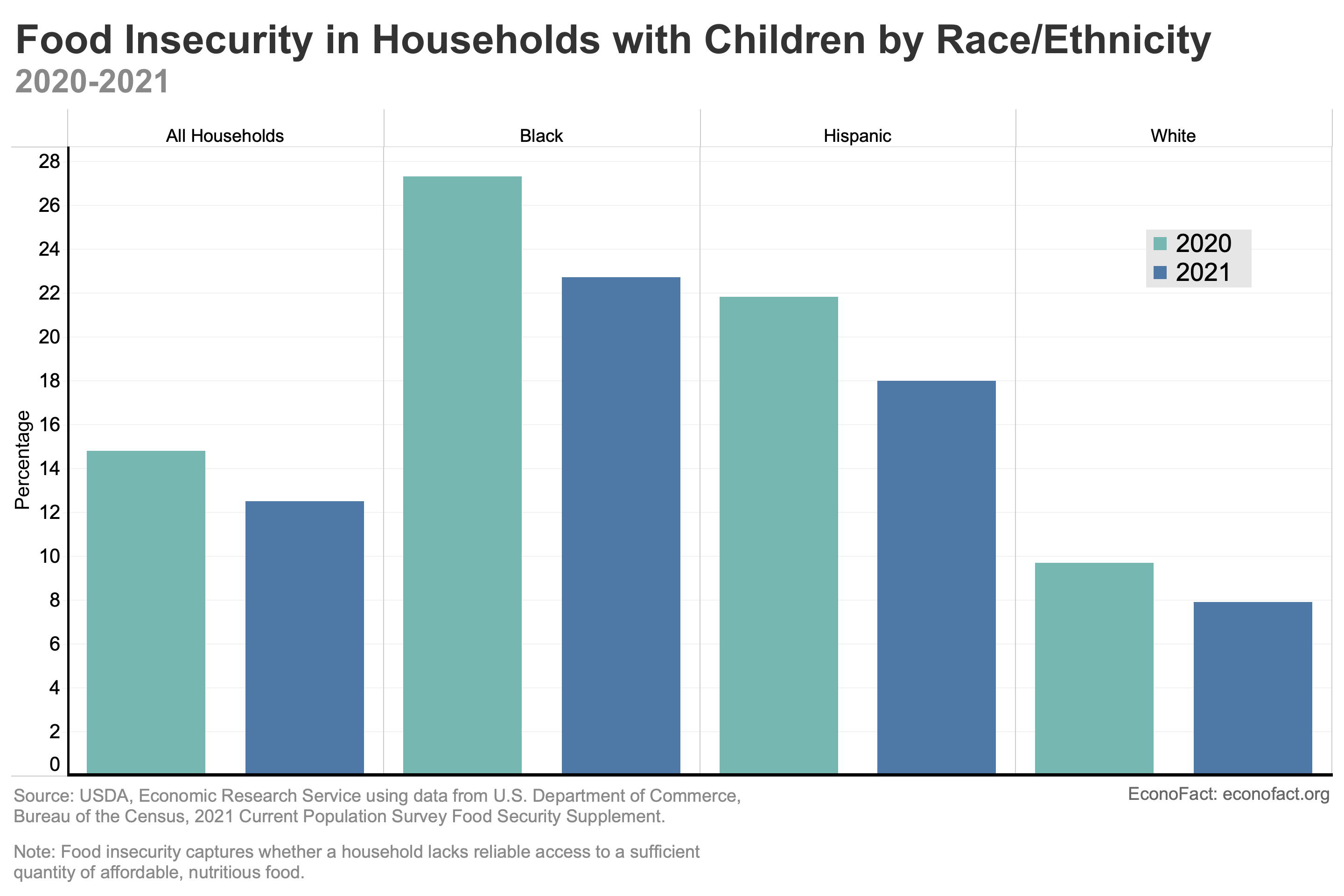
Food insecurity for households with children fell during COVID. But there are signs of reversal with pandemic aid ending and the highest inflation in decades.
October 7, 2022
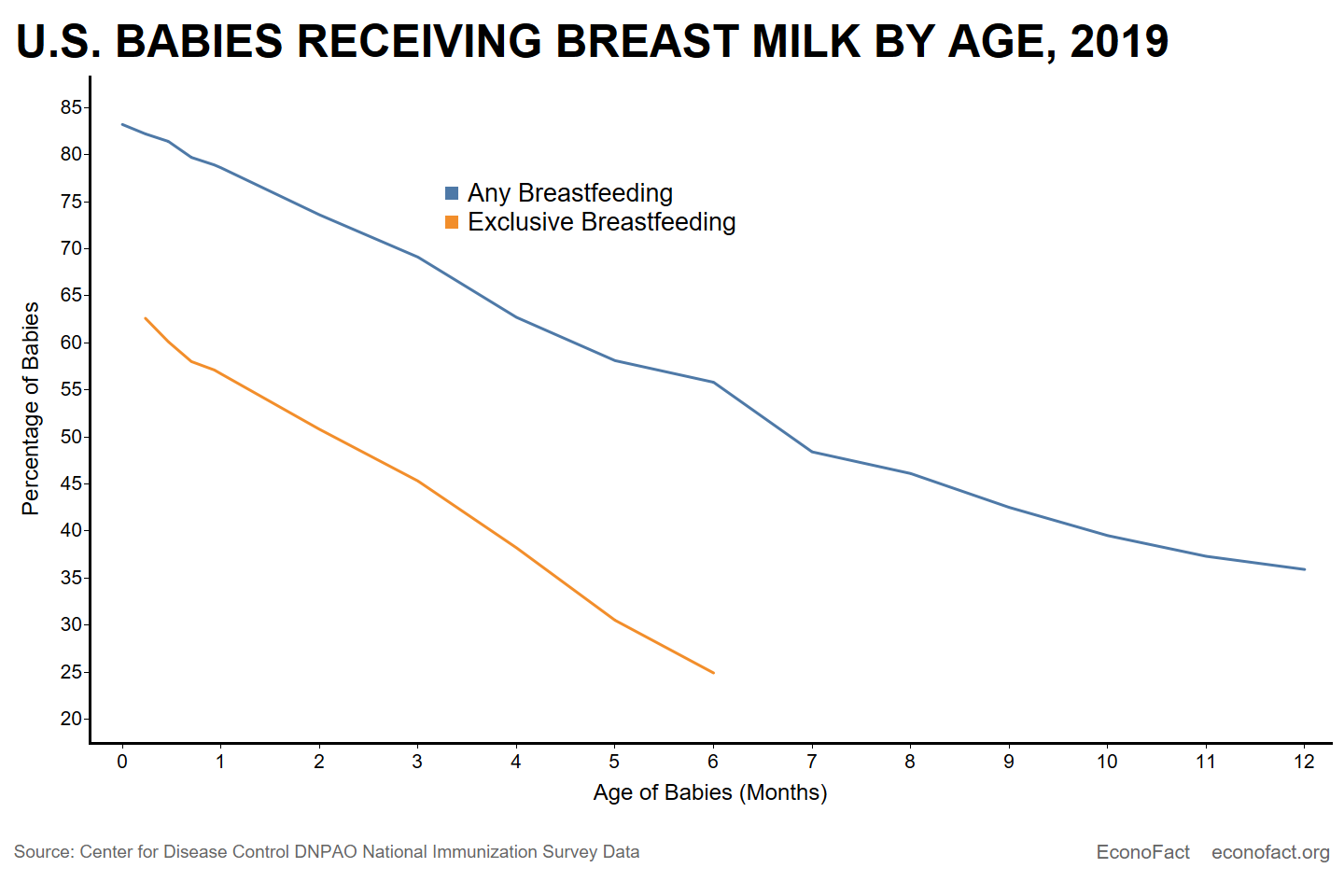
The national shortage of baby formula in the U.S. cast an urgent spotlight on the difficulties parents can face in meeting basic nutritional needs of babies.
November 15, 2021
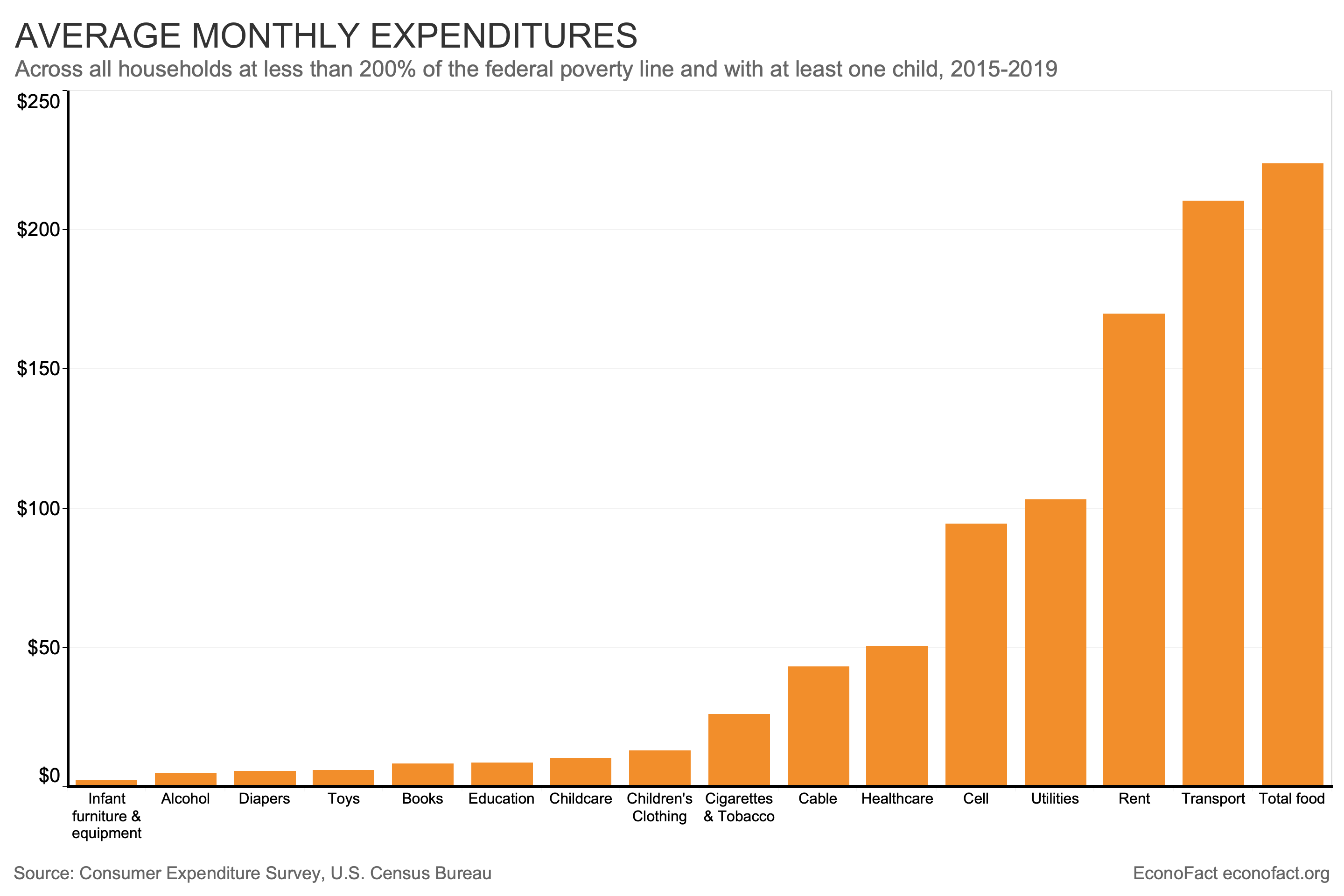
In spite of the safety net, families residing in poverty devote a substantial share of their monthly expenditures to basic shelter, health, and nutrition.
June 16, 2021
A look at some of the causes and consequences of child poverty, the ways in which child poverty rates vary across racial and ethnic groups, and what policy-makers can do to alleviate the scourge of child poverty.
February 5, 2021
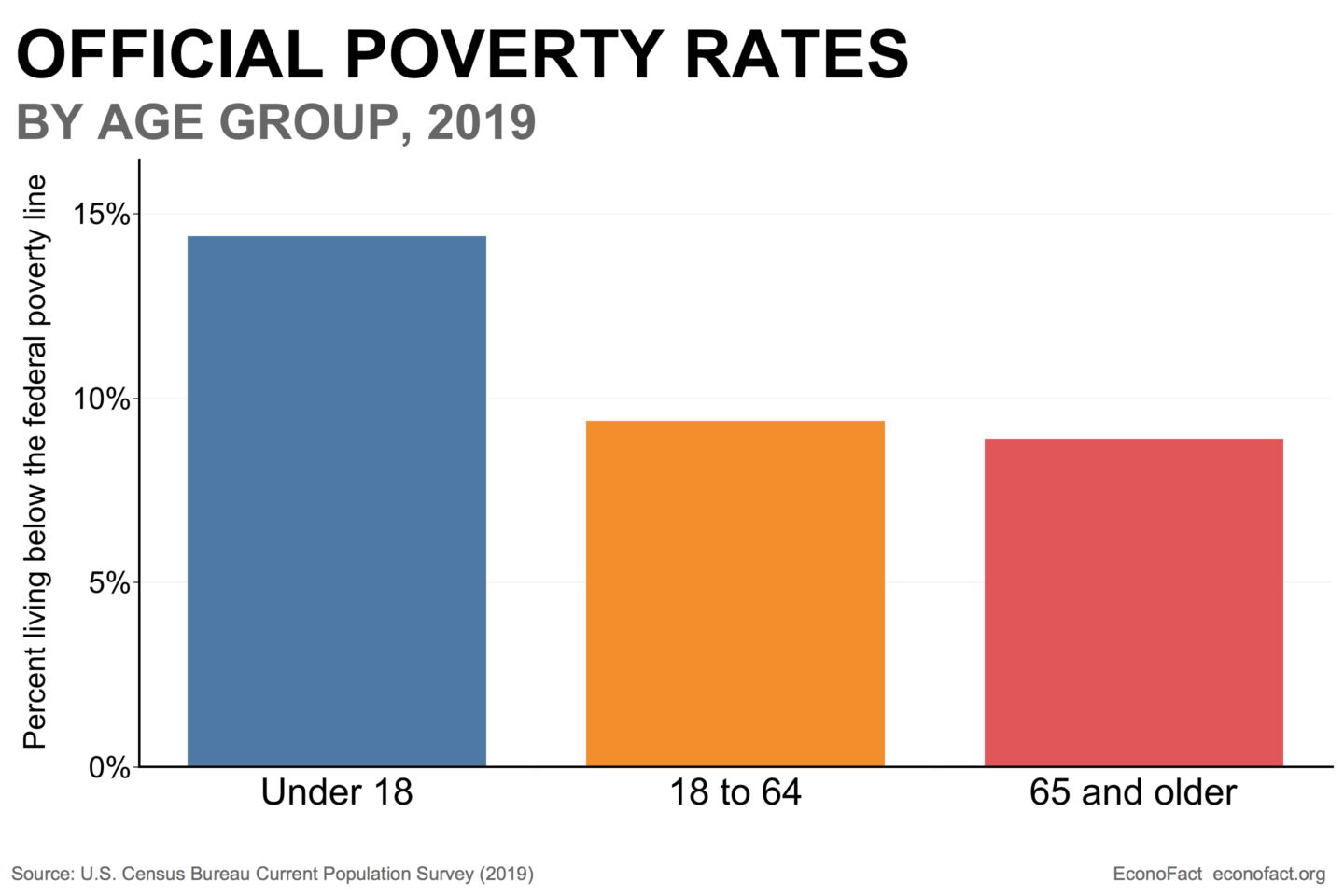
More than 10 million U.S. children were officially poor before the pandemic. Spending in the range of 0.4-1.4% of GDP could dramatically reduce child poverty.